



|
|
|
|
by Editor Jane Lyons
Edited and published by Yvette Depaepe, the 18th of September 2026
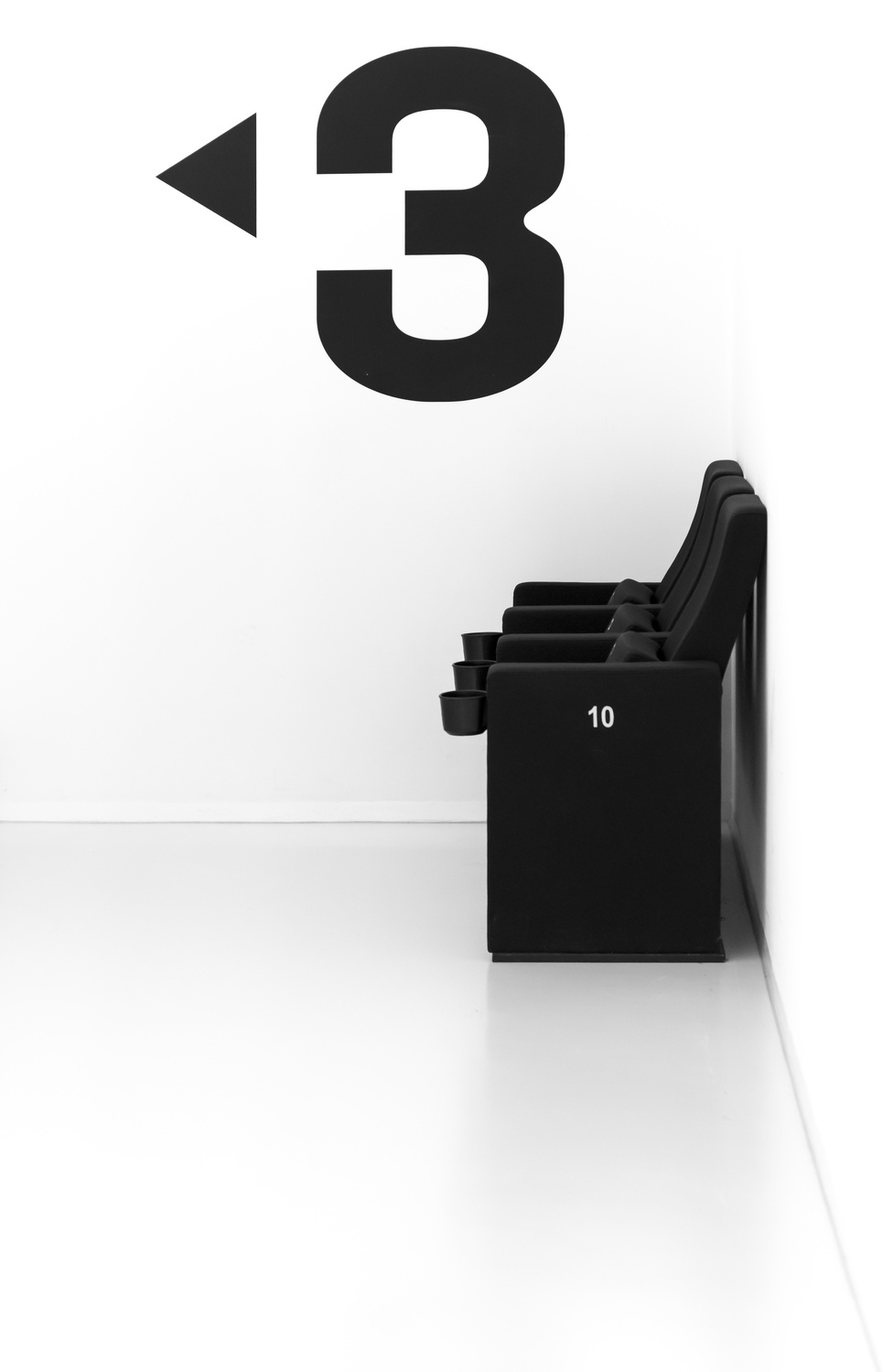
“Choose a number” by Greetje van Son
One of the first things photographers learn is the 'rule of thirds' and the 'rule of odd numbers'.
We are told that three figures fit comfortably into a standard compositional grid and that an odd number of objects prevents the viewer's eye from splitting its focus between two items. Three points can form a triangle, which guides the viewer's gaze around the frame. Three objects can be enough to tell a story without cluttering the image.
The 'rule of odds' is a powerful compositional tool. It is said to tap into the brain’s natural tendency to create order. We instinctively form pairs, but when faced with three — or any odd number — we have a group that cannot be so easily organized. This encourages the viewer to spend more time looking at the image, moving their gaze from one element to another, even when one element is clearly dominant.
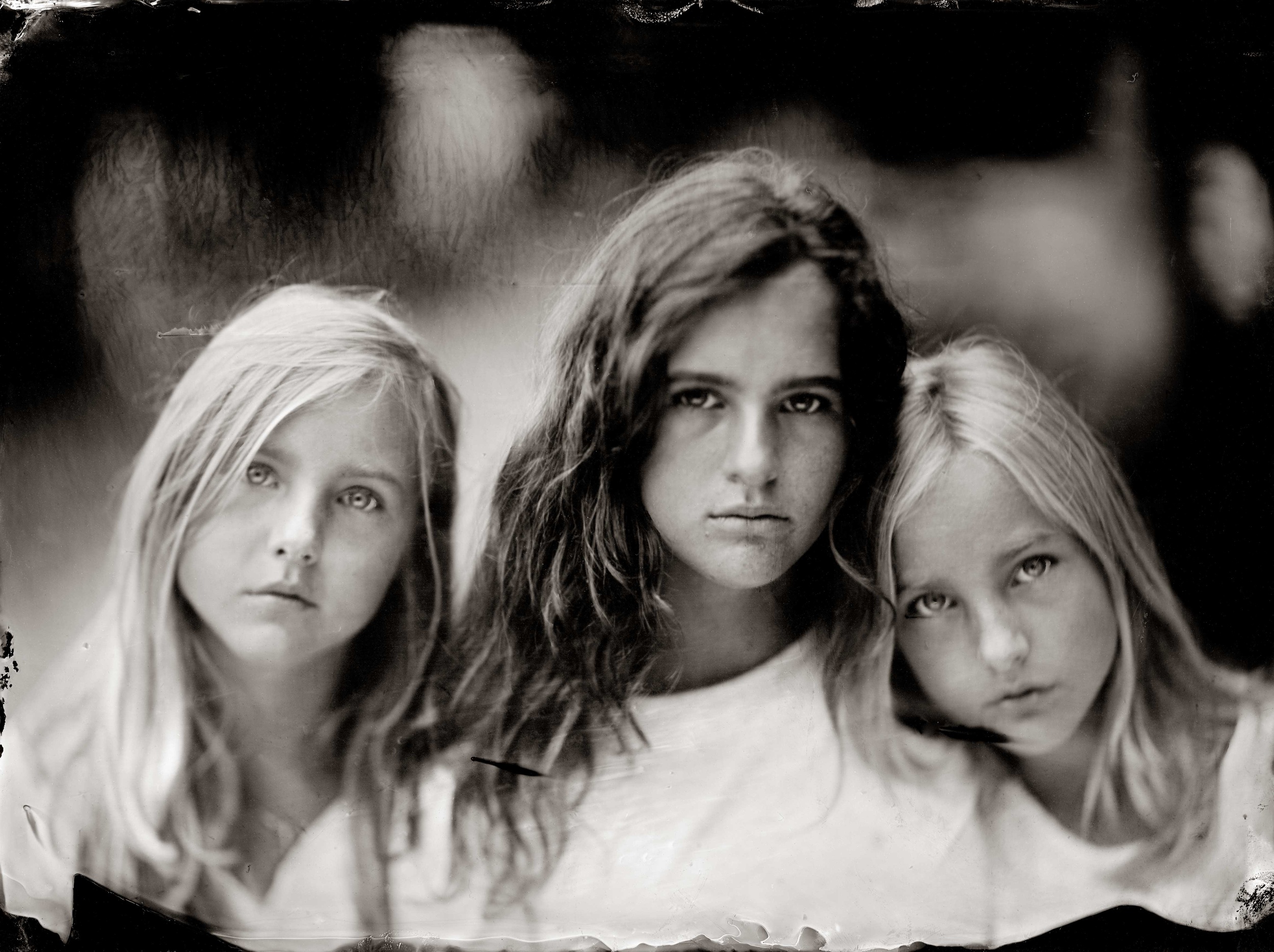
“three sisters” by Peter van Hal
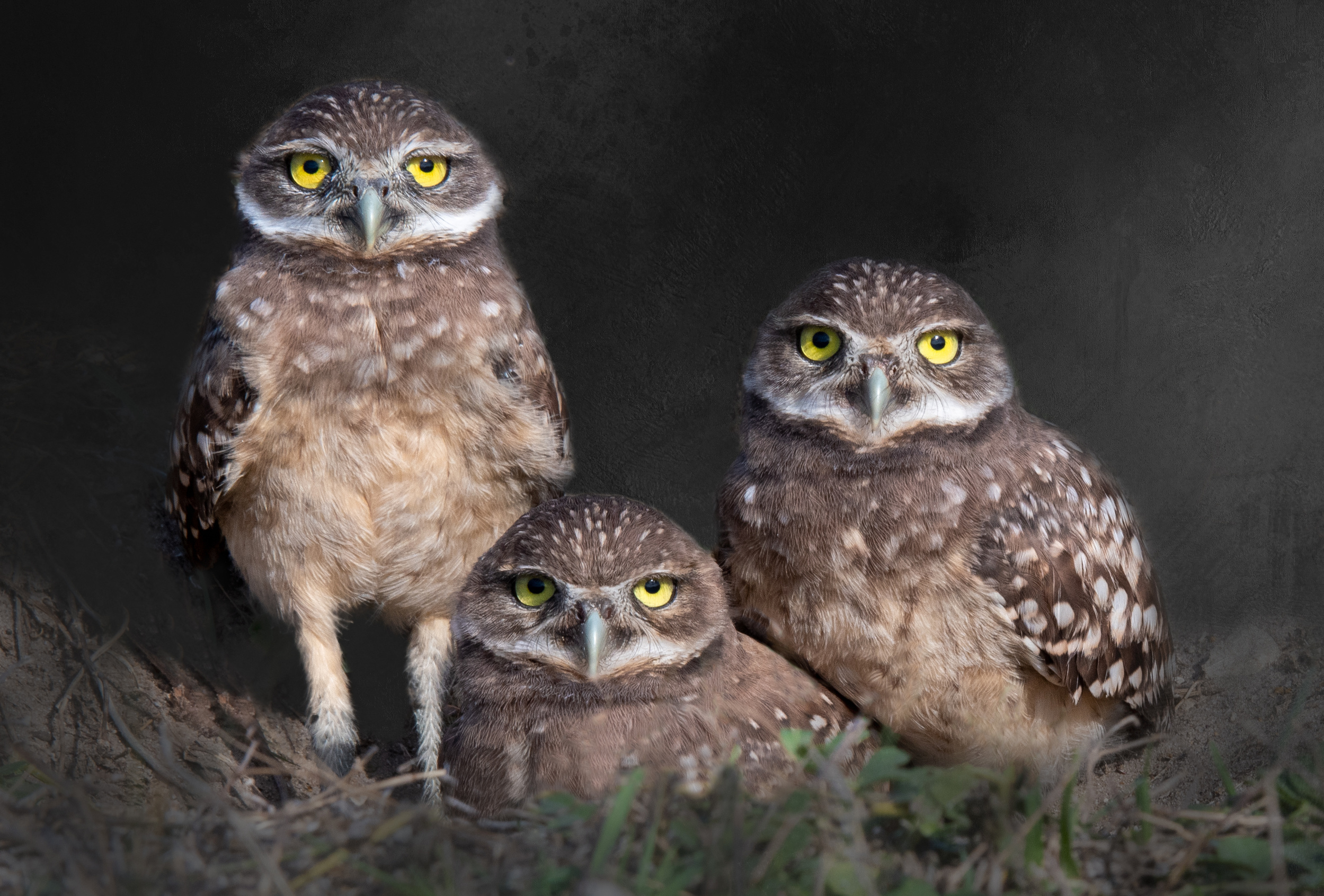
“Three is Company” by Susan Beausang
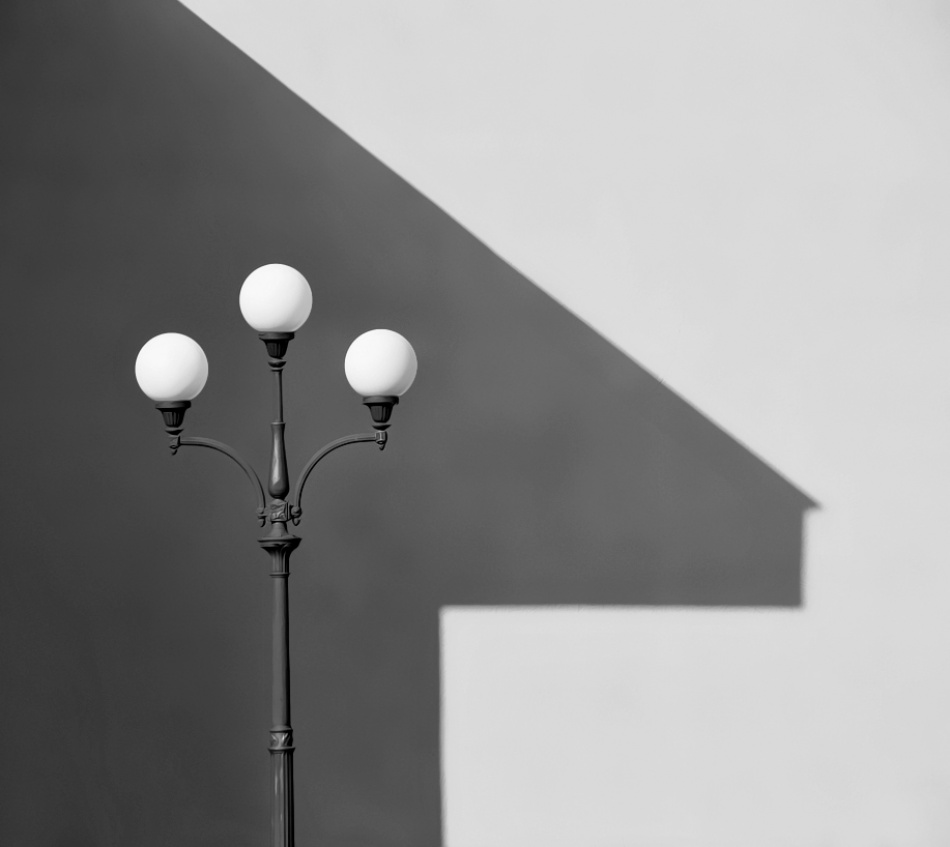
“Soul of the house” by Ralitsa Byalkova
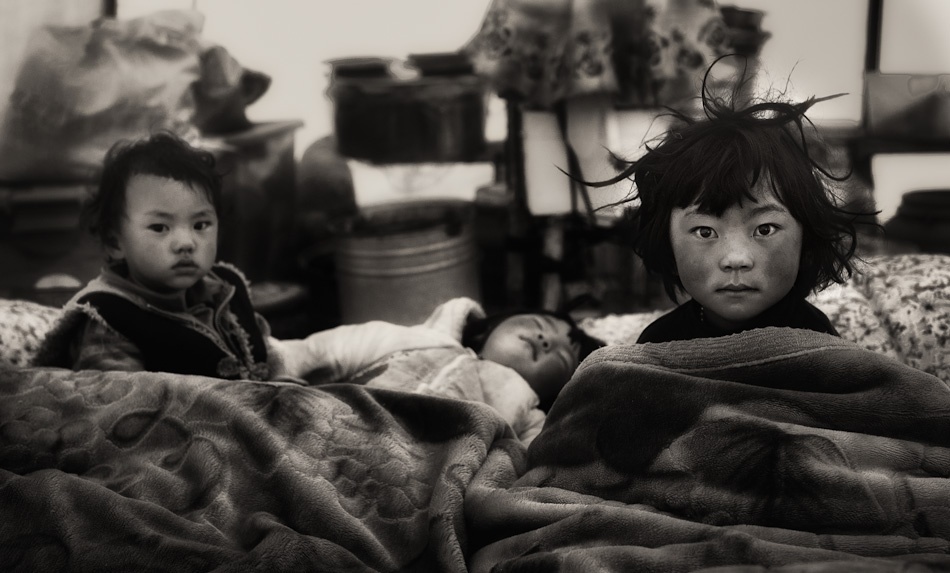
“Awakening” by Nicolas Marino
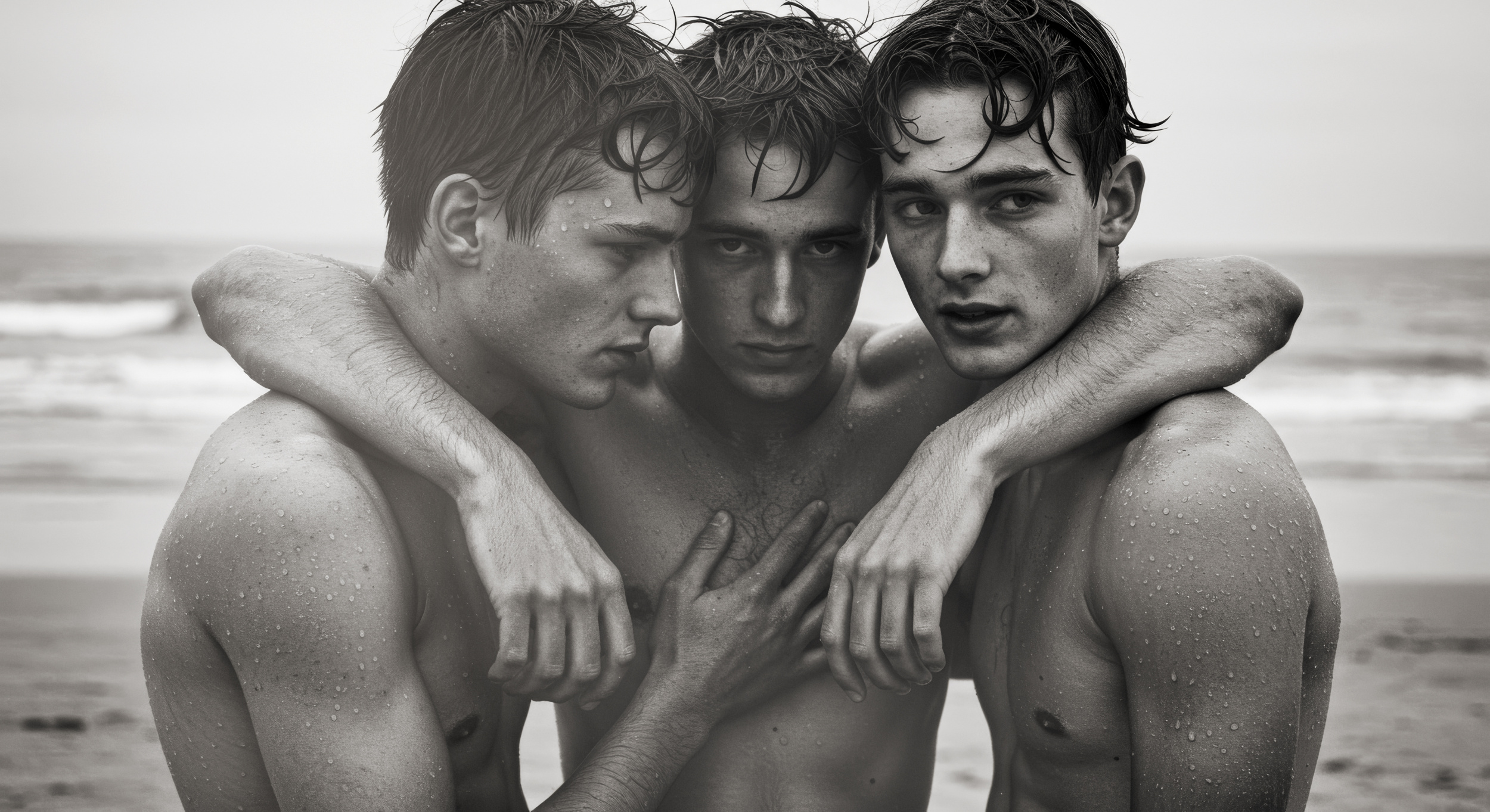
“Invincible” by Roberto Corinaldesi
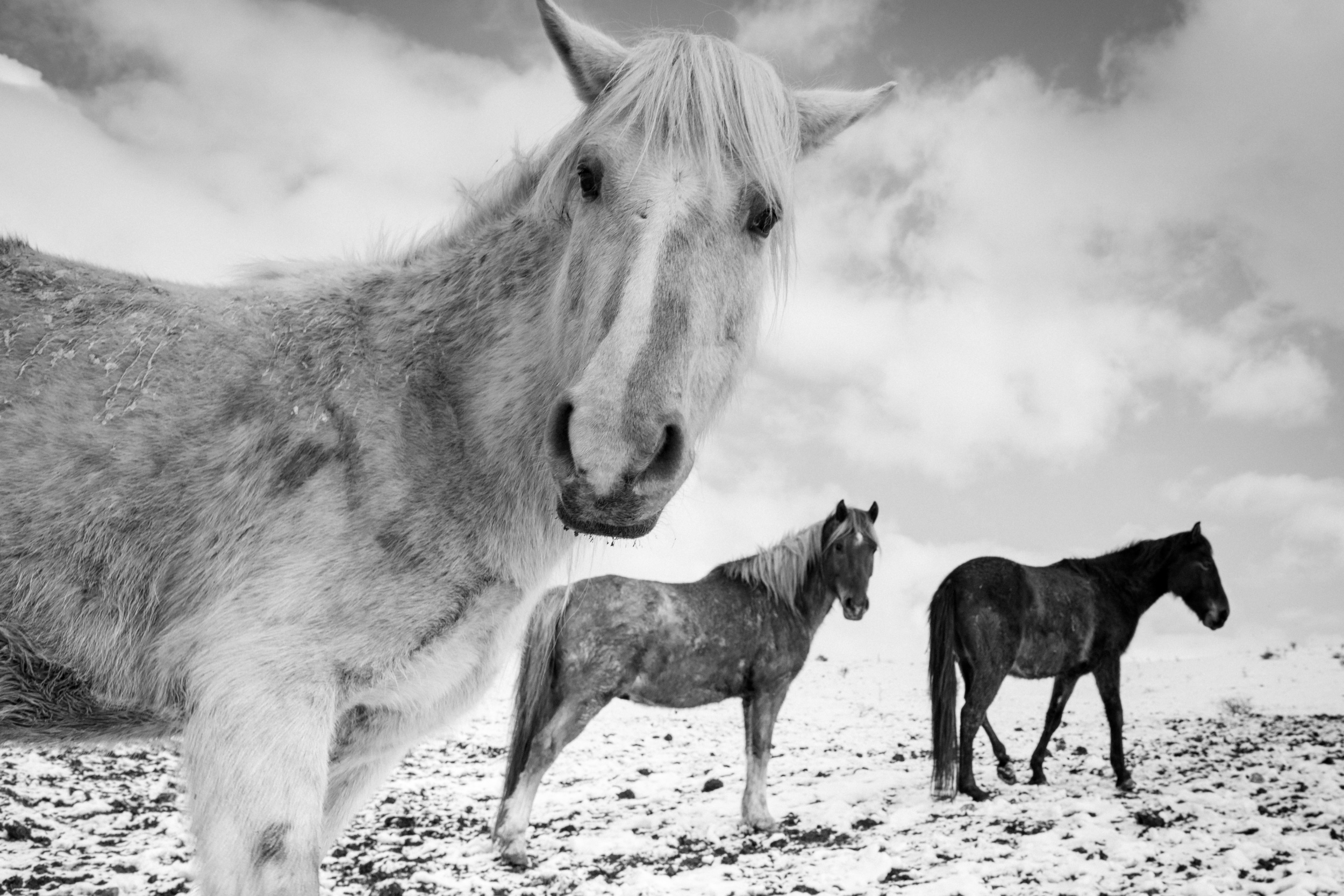
“He, the horse” by Ivelina Berova
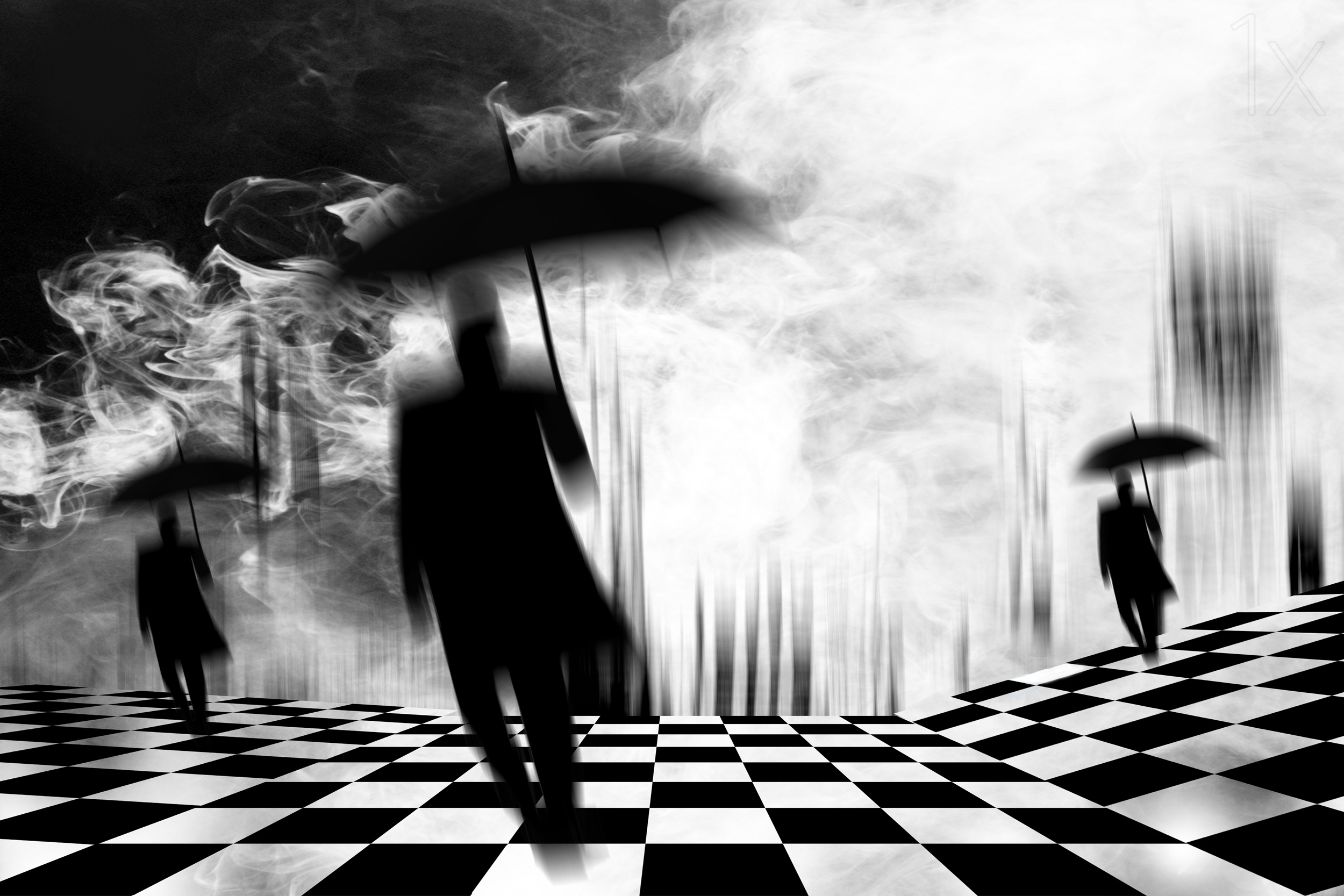
“Nebula” by Stefan Eisele
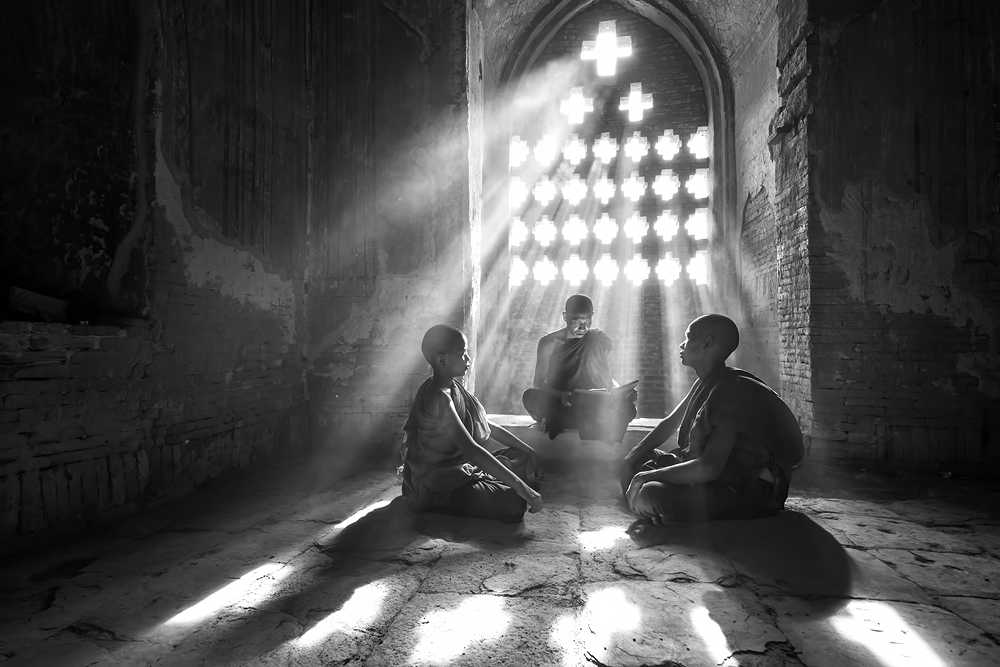
“Learning with the master” by Gunarto Song
Having three subjects allows for more complex visual relationships than having one or two. They can form a triangle that draws the viewer's gaze further into the scene. They can also create lines that converge towards a single point. Three similar objects in a row can establish a pattern that naturally draws the eye in. In today's vernacular, it's all about more screen time and longer looks.
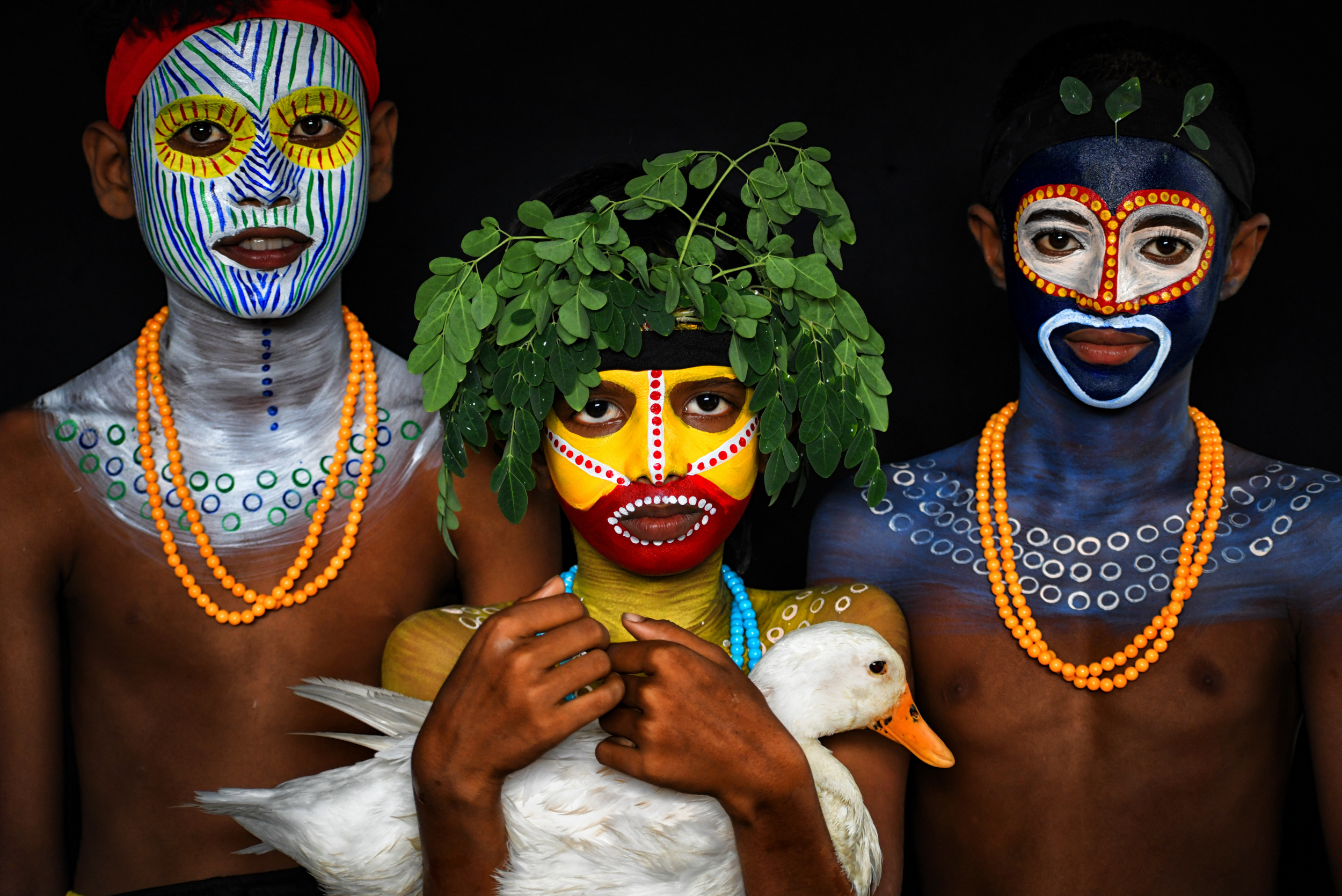
“Tribal Portrait 2” by Avishek Das
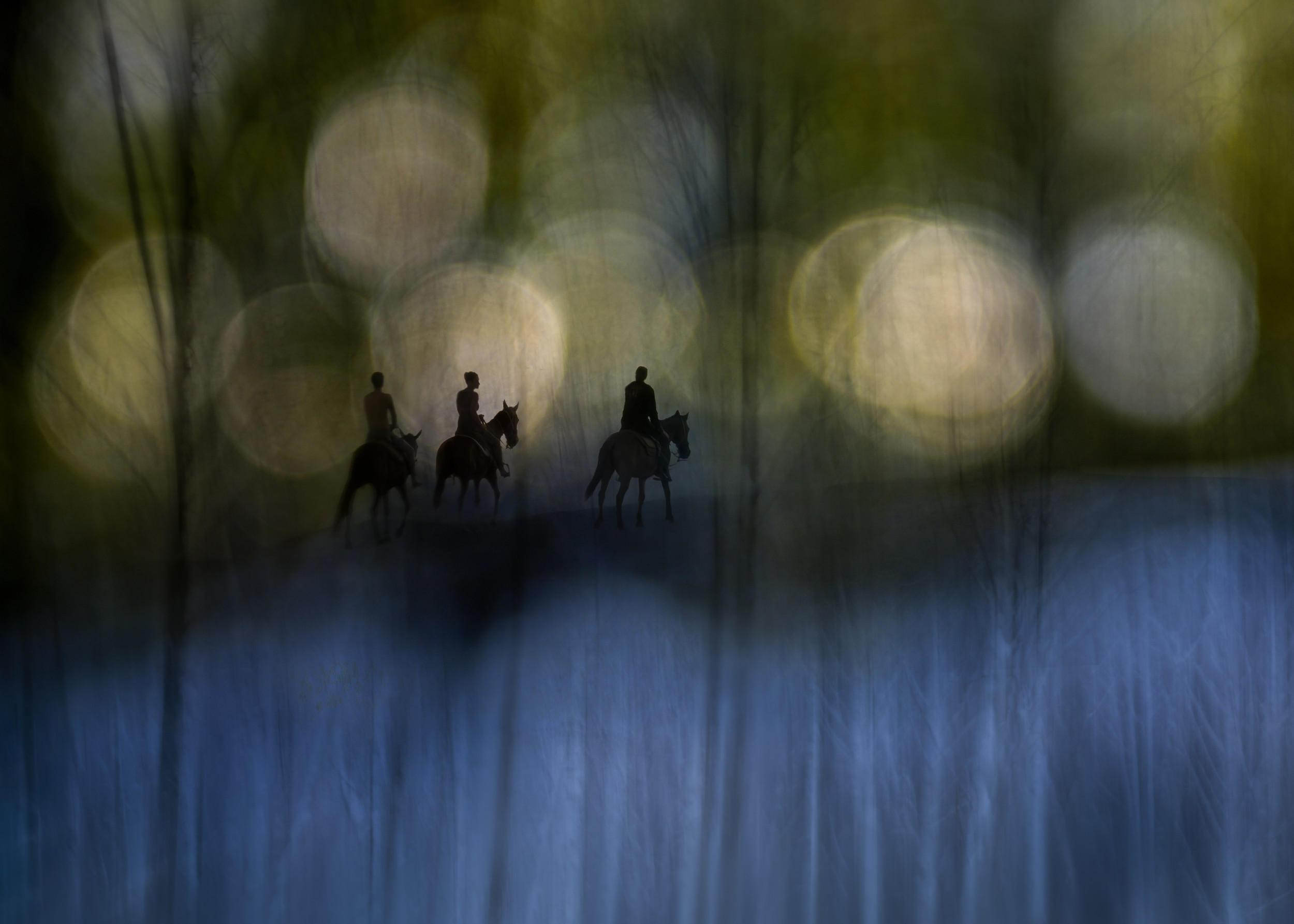
“Three Riders” by Shenshen Dou
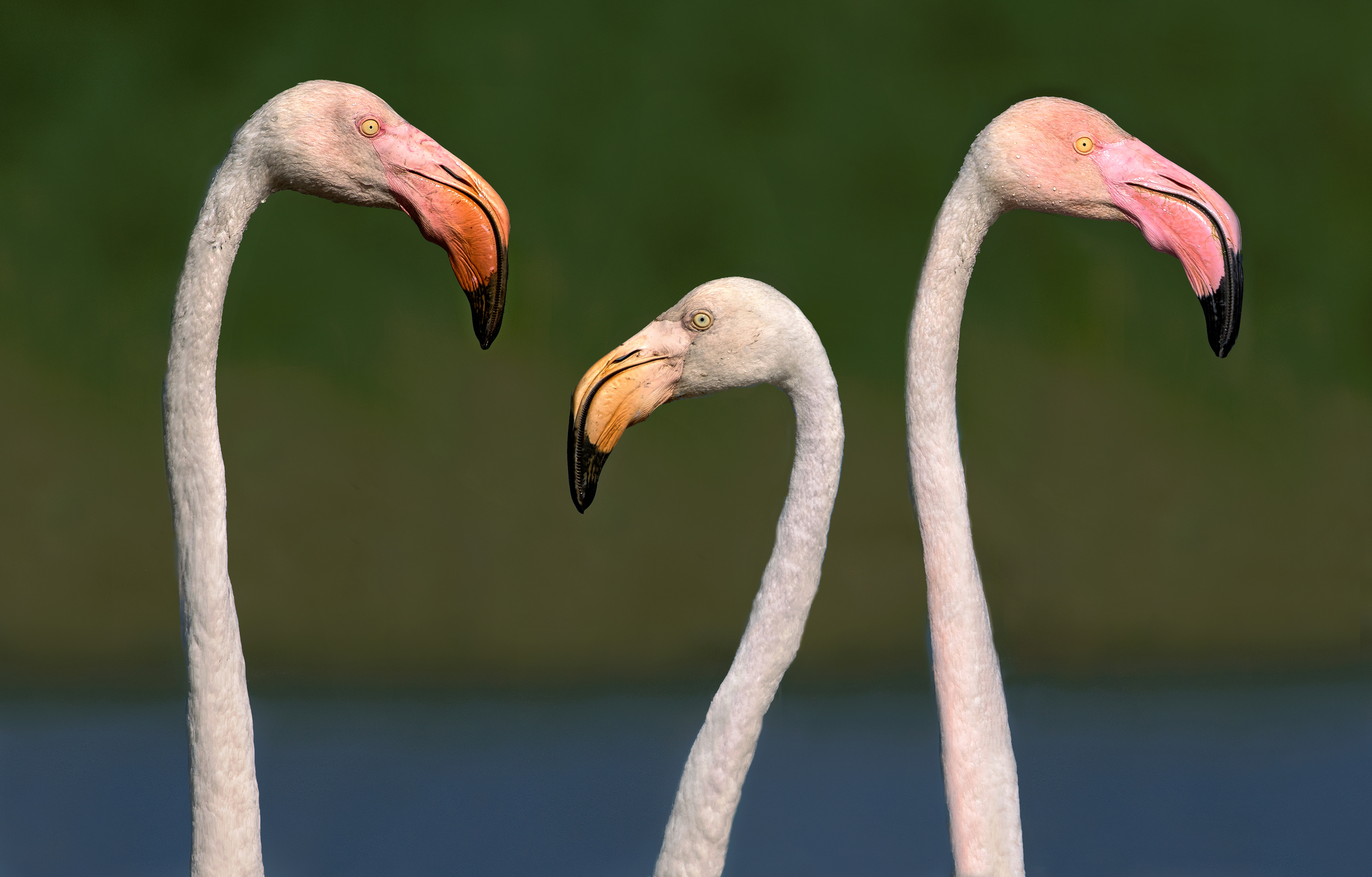
“Three Colors” by Xavier Ortega

“Trio” by Stefan Eisele

“Three Trees” by Martin Rak
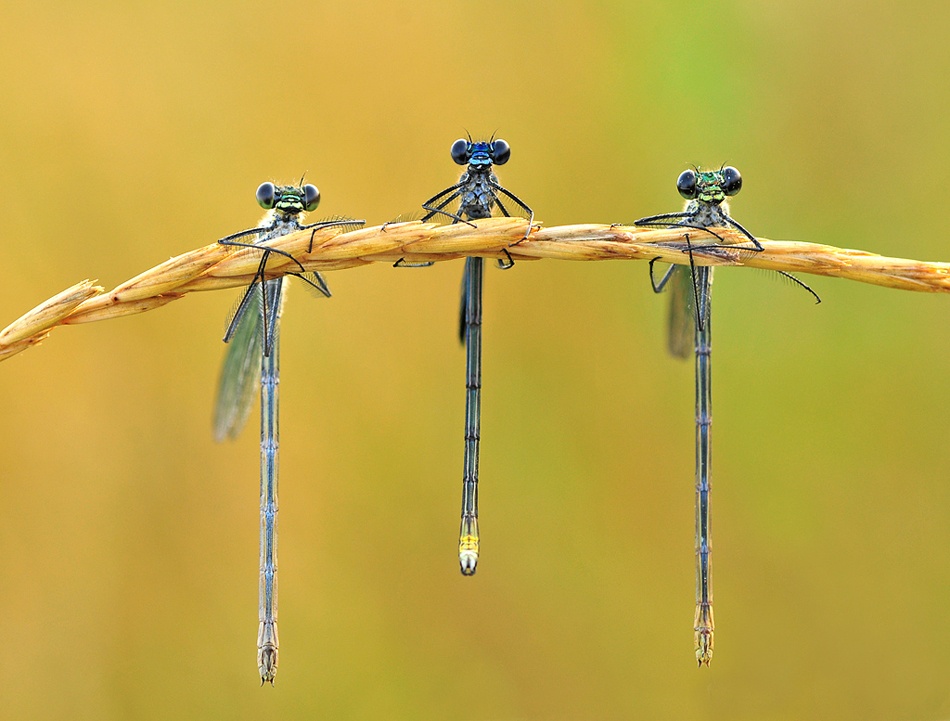
“Three: by Aliona Shevtova
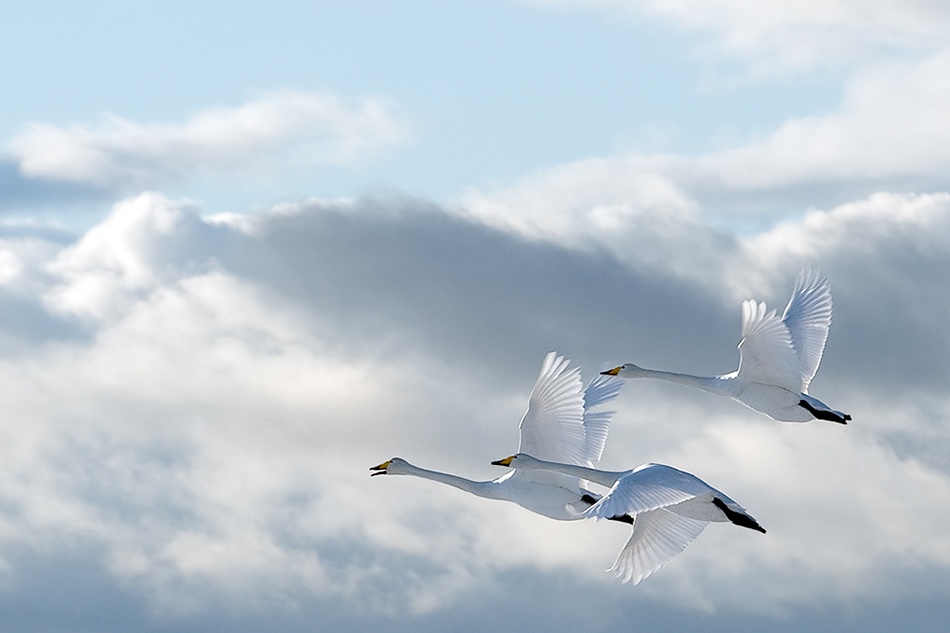
“Swans in the sky” by Anne Ueland
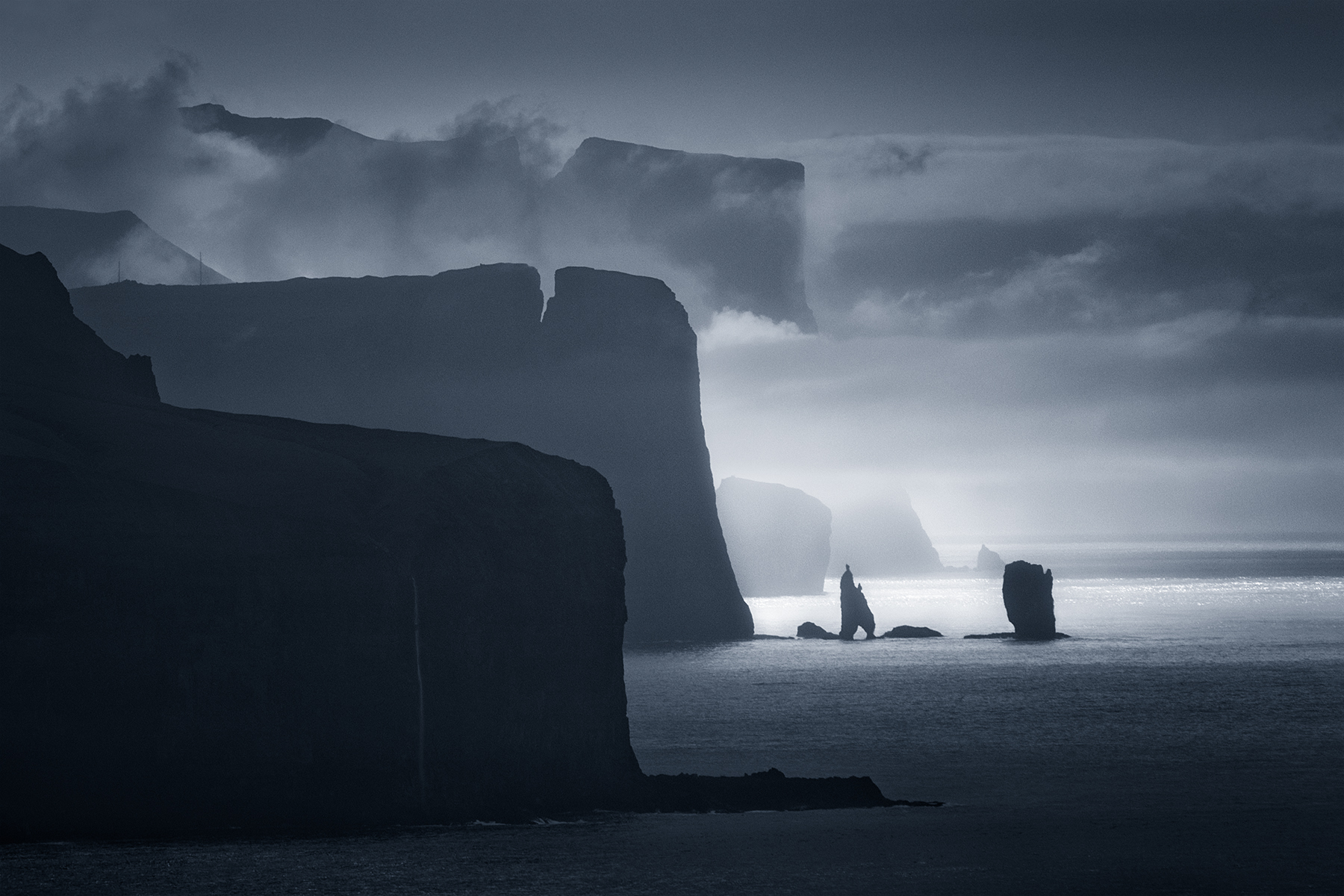
“Three layers” by Huibo Hou
For those who have followed this series — The Power of One and The Power of Two — it will already be clear that, however logical and revered these theories may be, photographers often break them — with spectacular results. While it is good to know the rules, it is even better when breaking them produces something unexpected, compelling and memorable. The 1x archives have proven this time and time again.
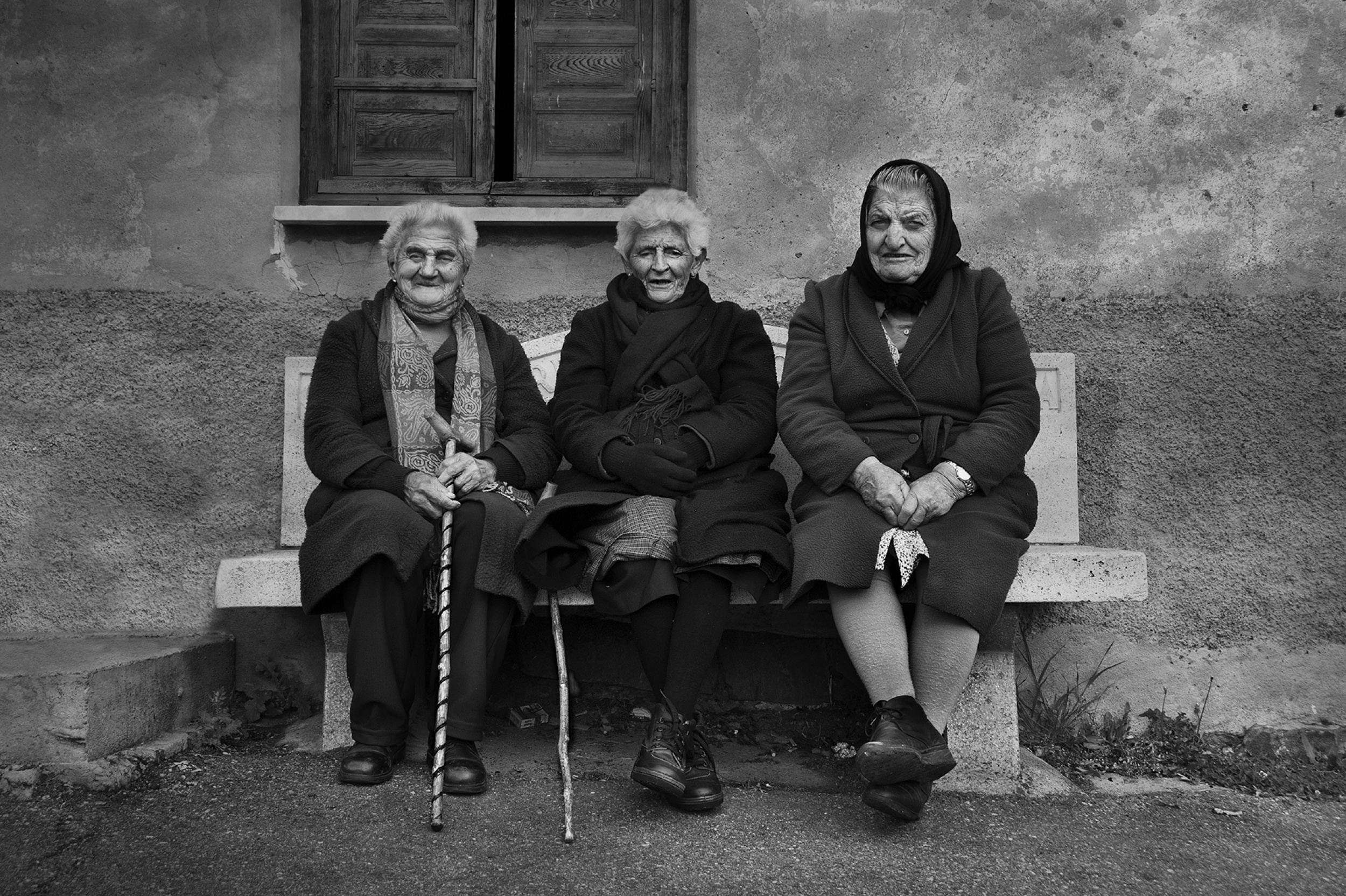
“Three charming old women” by Jose C. Lobato
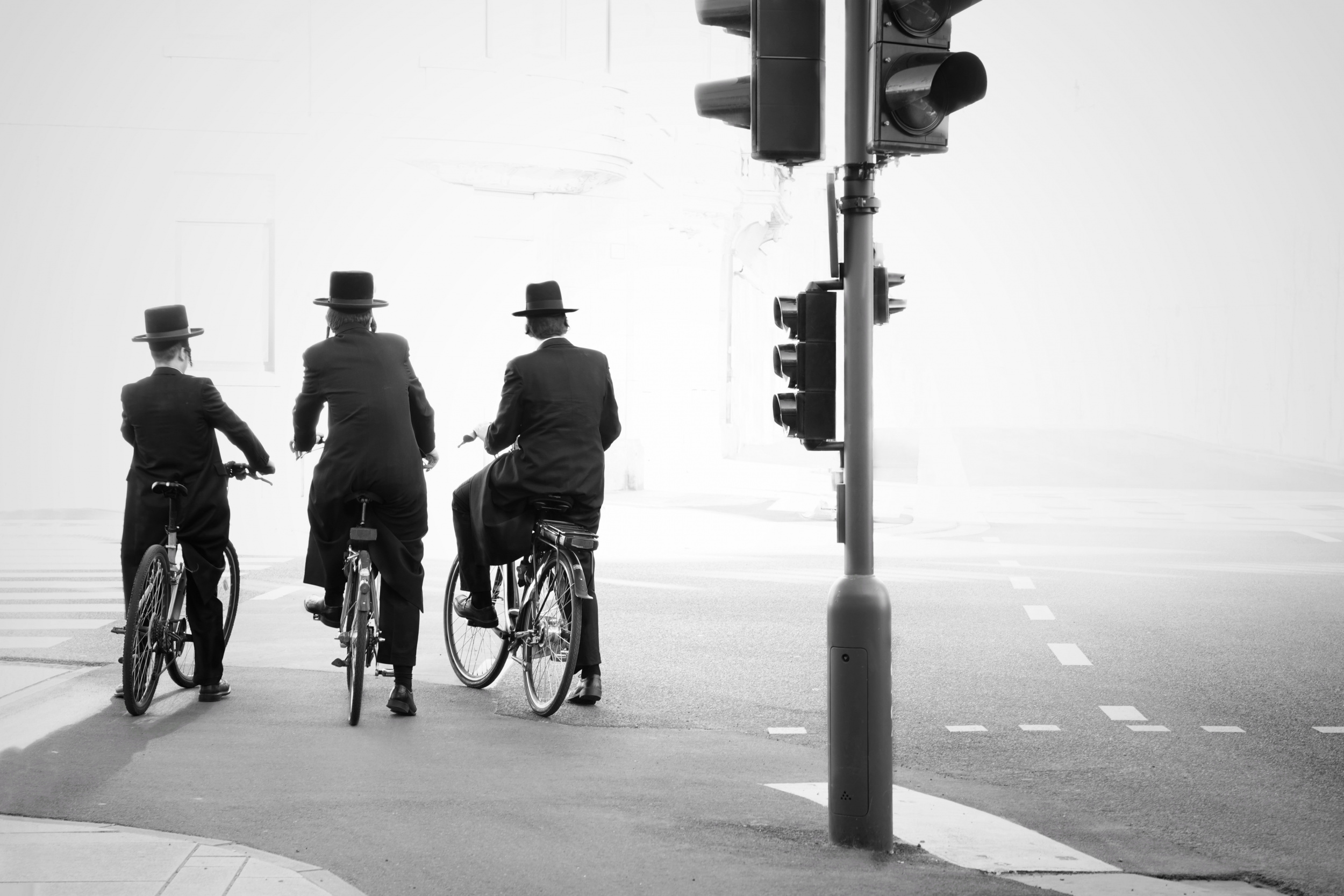
“Three gentleman” by Mania De Praeter
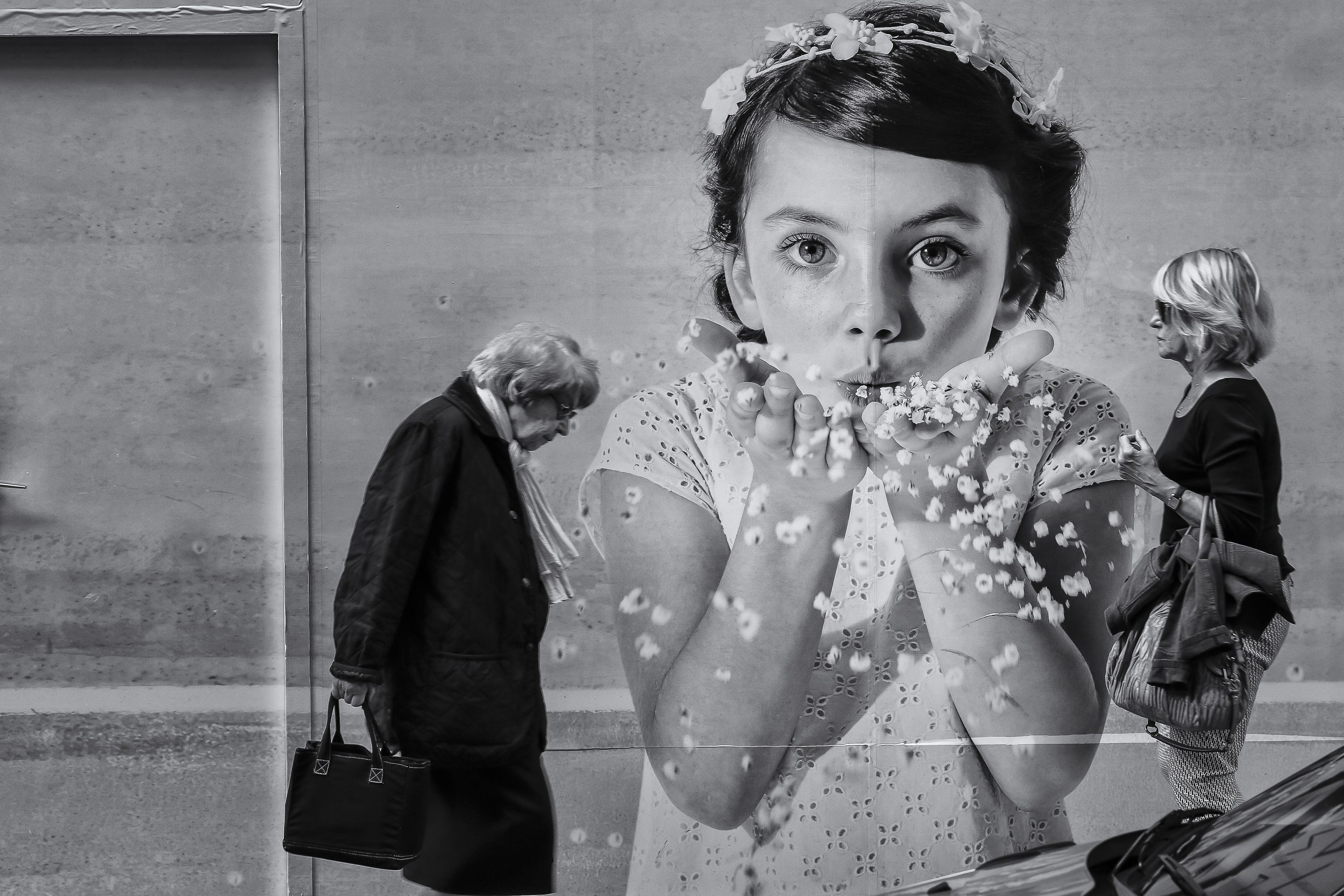
“Three generations” by Jean-Louis Viretti
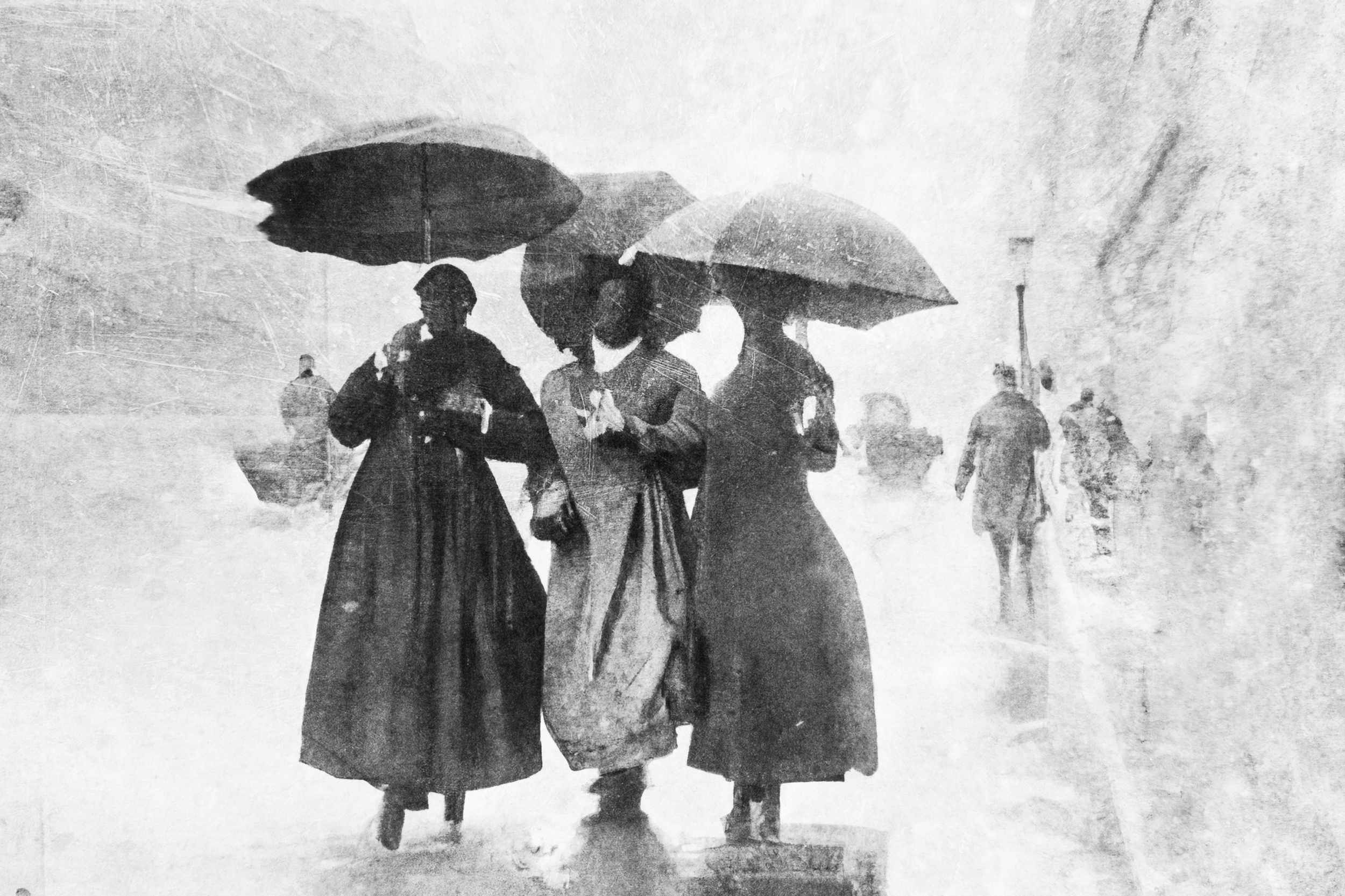
“Some People Stay in Your Heart Forever” by Adam Dauria
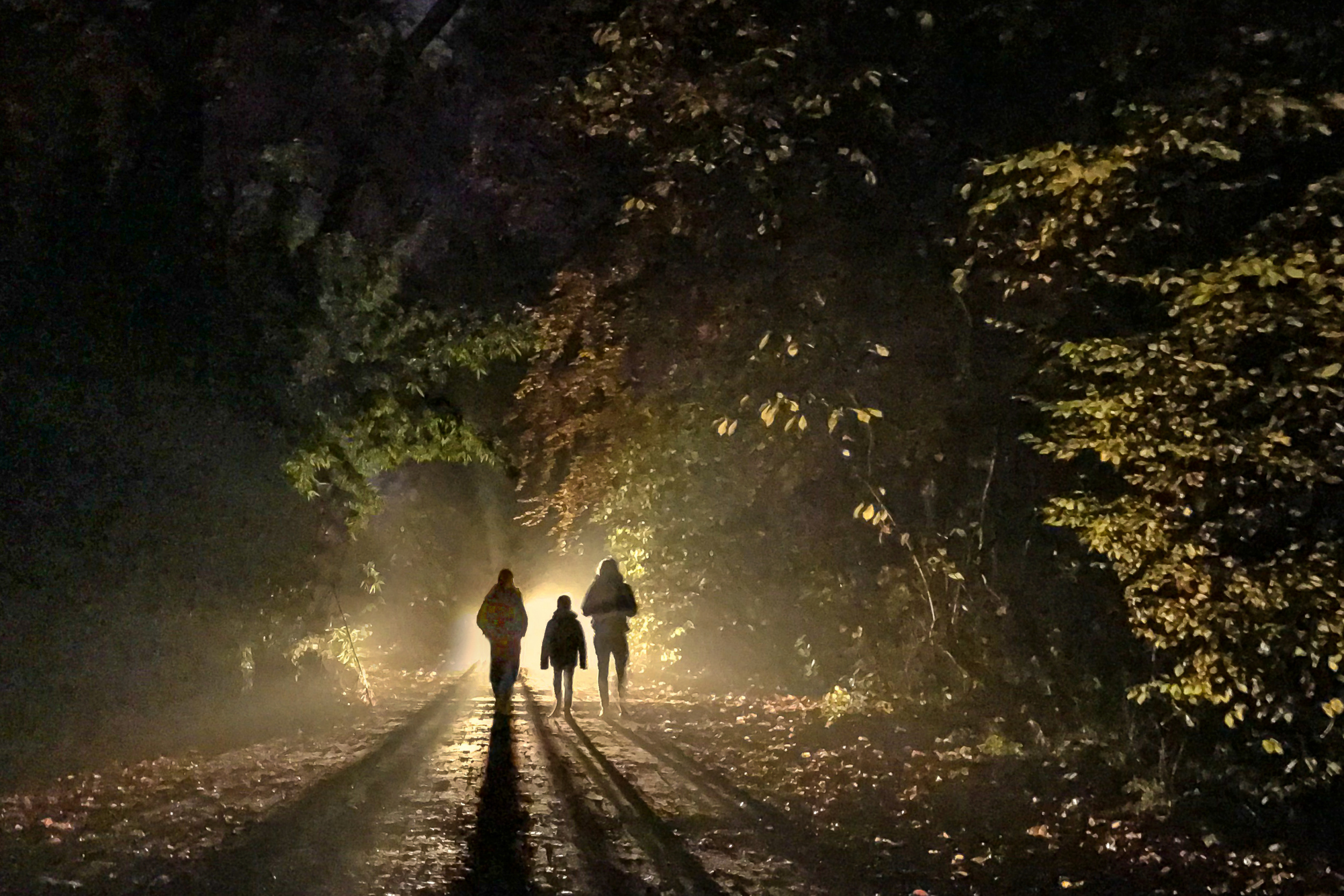
“Welcome to Belgium” by Lus Joosten

“Dubai” by Hans-Wolfgang Howerkamp
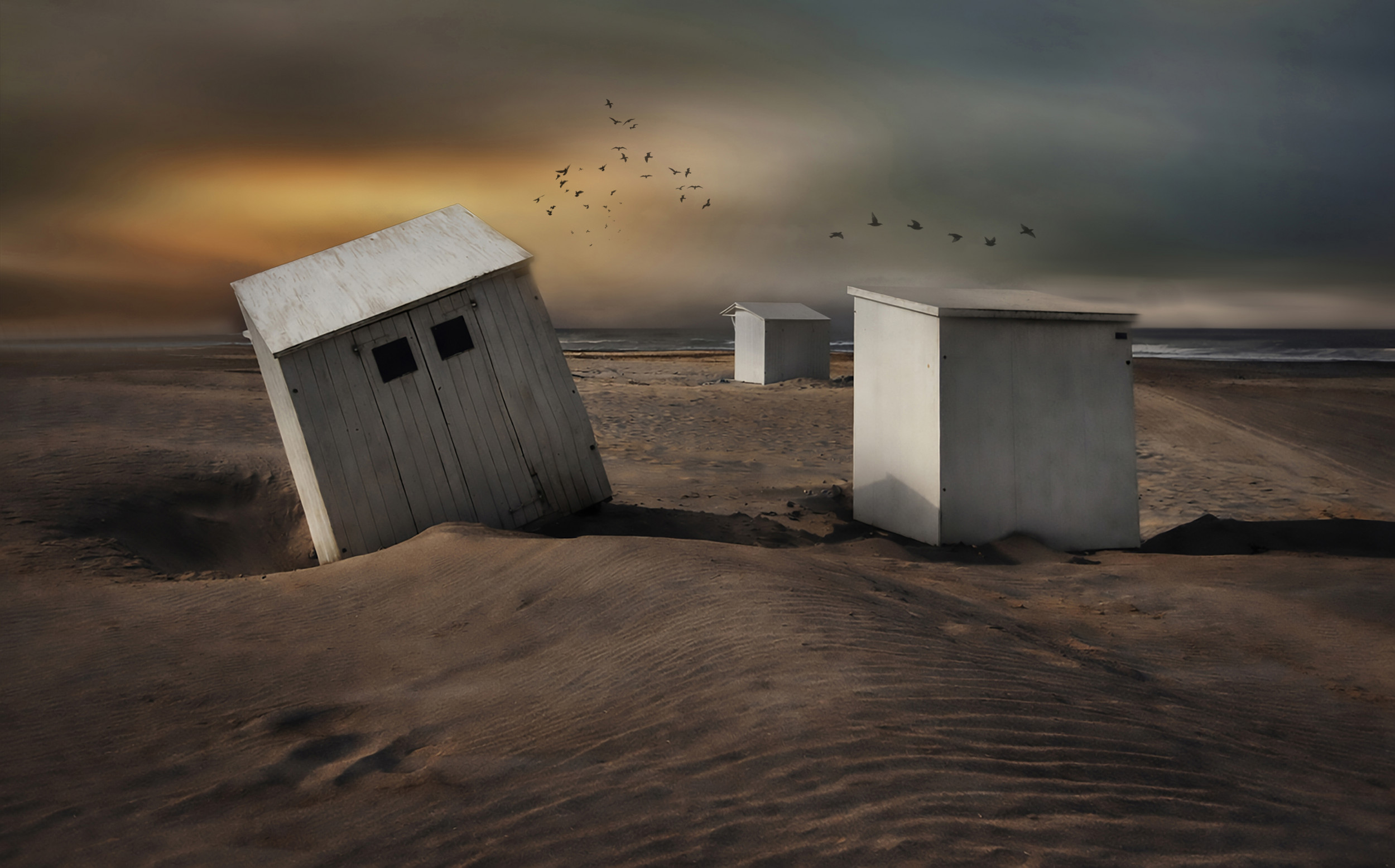
“When the wind has gone” by Yvette Depaepe
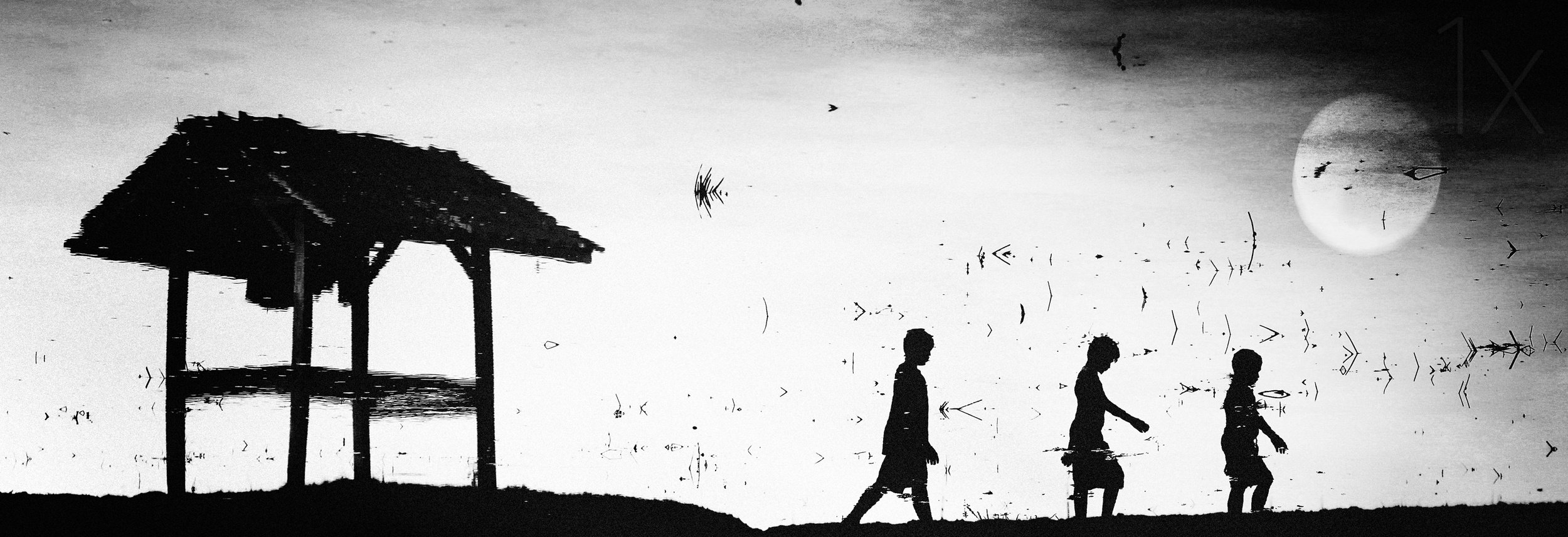
“Back Home” by Jay Satriani
This series was designed to inspire current members, but it has also provided an opportunity to revisit the archives and rediscover some of the brilliant work that has been submitted over the past 19 years. Many of these photographs deserve to be seen again, and I hope that revisiting them will inspire new work for years to come.
 | Write |
 | kombizz PRO The main question is why three, and why not two or four? |